Picture this: You’re sitting in your hometown, dreaming of pursuing that prestigious MBA at Harvard, conducting groundbreaking research at MIT, or earning your PhD from Stanford. The only thing standing between you and your American dream? The hefty price tag that comes with graduate education in the United States.
But here’s the good news – you don’t have to let financial constraints crush your academic aspirations. The USA offers thousands of scholarships specifically designed for international students like you, and many of them are just waiting for the right candidate to apply.
Every year, over one million international students choose to study in the United States, and a significant portion of them receive some form of financial assistance. From full-ride scholarships that cover tuition, living expenses, and even travel costs, to partial funding that can make your education more affordable – the opportunities are endless if you know where to look.
Why Choose the USA for Graduate School?
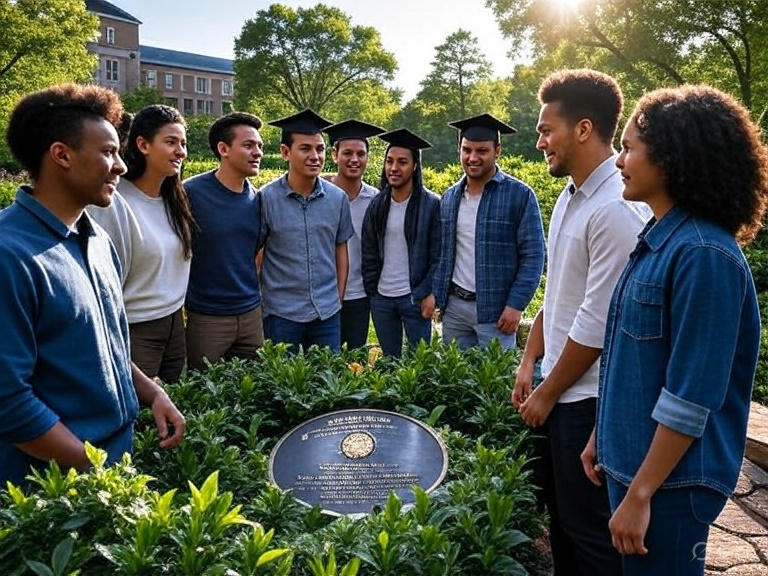
Before we dive into the scholarship goldmine, let’s talk about why the United States remains the top destination for international graduate students worldwide.
The USA hosts more than 4,000 colleges and universities, including some of the world’s most prestigious institutions. When you study here, you’re not just getting a degree – you’re gaining access to cutting-edge research facilities, world-renowned faculty, and a network that spans the globe.
American graduate programs emphasize practical learning and research opportunities. You’ll work alongside professors who are leaders in their fields, participate in groundbreaking research projects, and develop skills that employers worldwide value highly.
The cultural diversity on American campuses is unmatched. You’ll study alongside students from every corner of the world, creating friendships and professional networks that will benefit you throughout your career.
Many international students also take advantage of Optional Practical Training (OPT) programs, which allow them to gain valuable work experience in the US after graduation. This can be a stepping stone to long-term career opportunities in America.
Understanding the Graduate School Landscape
Graduate education in the USA typically falls into two categories: master’s programs and doctoral programs. Master’s programs usually take 1-2 years to complete, while doctoral programs can take 4-7 years depending on your field of study.
The cost varies significantly based on the type of institution and program. Public universities typically charge less than private institutions, but even public school tuition for international students can range from $20,000 to $40,000 per year. Private universities can cost anywhere from $30,000 to $80,000 annually.
Living expenses add another $15,000 to $25,000 per year, depending on the location. Cities like New York, San Francisco, and Boston are more expensive, while smaller college towns offer more affordable living options.
These numbers might seem overwhelming, but remember – scholarships exist to bridge this gap, and many international students graduate with little to no debt thanks to generous funding opportunities.
Types of Graduate Scholarships Available
Understanding the different types of scholarships available is crucial for developing an effective funding strategy. Let’s break down the main categories:
Merit-Based Scholarships recognize academic excellence, leadership potential, and exceptional achievements. These are often the most competitive but also the most generous, sometimes covering full tuition and living expenses.
Need-Based Financial Aid considers your family’s financial situation. While less common for international students, some institutions do offer need-based assistance to deserving candidates.
Research Assistantships are particularly common in PhD programs and some master’s programs. You’ll work as a research assistant for a professor or department while pursuing your degree, and in return, receive tuition coverage plus a monthly stipend.
Teaching Assistantships involve helping professors with undergraduate courses. You might lead discussion sections, grade papers, or conduct lab sessions. Like research assistantships, these typically cover tuition and provide a living stipend.
Field-Specific Scholarships target students in particular disciplines. STEM fields, for example, often have more funding opportunities due to high demand and government investment in these areas.
Country-Specific Scholarships are designed for students from particular countries or regions. These might be funded by governments, private organizations, or universities looking to increase diversity from specific areas.
Top Universities Offering Generous Scholarships
Some universities are known for their exceptional financial aid packages for international students. Let’s explore the institutions that consistently rank high for graduate funding:
Stanford University offers need-based aid to international students and has numerous fellowship programs. Their Knight-Hennessy Scholars program provides full funding for graduate study across all seven schools.
Harvard University meets 100% of demonstrated need for international students in many of their graduate programs. Their fellowship programs are among the most generous in the world.
Yale University provides excellent funding for PhD students and offers several merit-based scholarships for master’s programs. Their international student support is comprehensive and well-organized.
University of Chicago offers competitive funding packages and is known for supporting international students throughout their academic journey. Their graduate programs often include full tuition coverage and generous stipends.
MIT provides substantial financial support for graduate students, particularly in engineering and technology fields. Their research assistantship opportunities are abundant and well-funded.
Columbia University in New York offers various funding options and has strong connections with international organizations that provide additional scholarship opportunities.
Public universities also offer excellent opportunities. University of California campuses, University of Michigan, and University of Wisconsin-Madison are known for their generous funding packages and lower tuition rates compared to private institutions.
Government and External Funding Sources
Don’t limit your search to university-specific scholarships. Many government and external organizations offer substantial funding for international graduate students.
The Fulbright Program is one of the most prestigious international educational exchange programs. It provides funding for graduate study, research, and teaching opportunities in the United States. Each country has its own Fulbright commission with specific application processes and deadlines.
USAID sponsors various scholarship programs for students from developing countries. These programs often focus on fields that contribute to development goals, such as agriculture, health, engineering, and education.
The World Bank offers scholarships for graduate study in development-related fields. Their programs target students from World Bank member countries and focus on building capacity for development work.
Private foundations like the Ford Foundation, Rockefeller Foundation, and Gates Foundation offer scholarships for international students, particularly those focused on social impact and global development.
Many multinational corporations sponsor scholarships for international students, especially in business and technology fields. Companies like Google, Microsoft, and IBM have dedicated scholarship programs.
Your home country government might also offer scholarships for studying abroad. Many countries invest in their citizens’ education by funding overseas study, with the expectation that graduates will return and contribute to national development.
For students considering other international destinations, resources like those found at international student scholarships can provide valuable comparison information and additional funding opportunities.
Application Strategies That Work
Successfully securing graduate school scholarships requires a strategic approach that goes beyond simply meeting basic requirements. Here’s how to maximize your chances:
Start Early and Stay Organized. Begin researching scholarship opportunities at least 18 months before you plan to start your graduate program. Create a spreadsheet tracking deadlines, requirements, and application status for each opportunity.
Tailor Your Applications. Generic applications rarely succeed. Research each scholarship thoroughly and customize your application materials to align with the program’s goals and values. Show how you specifically fit what they’re looking for.
Craft a Compelling Personal Statement. Your personal statement is your chance to stand out from thousands of other applicants. Tell your unique story, explain your motivation for graduate study, and demonstrate how the scholarship will help you achieve your goals.
Secure Strong Letters of Recommendation. Choose recommenders who know your work well and can speak specifically about your potential for graduate study. Provide them with your personal statement and information about the scholarship so they can write targeted, supportive letters.
Demonstrate Leadership and Impact. Scholarship committees look for students who will make a difference in their fields and communities. Highlight your leadership experiences, community involvement, and any impact you’ve already made in your field.
Show Cultural Competency. Many scholarships value students who can bridge cultures and contribute to international understanding. Highlight your cross-cultural experiences and how they’ve shaped your perspective.
Prepare for Interviews. Many competitive scholarships include an interview component. Practice common questions, research the scholarship organization thoroughly, and be ready to articulate your goals and how the scholarship fits into your plans.
If you’re also considering study options in other countries, understanding visa requirements can be helpful. Resources about processes like the UK student visa can provide insights into international education planning.
Financial Aid Beyond Scholarships
While scholarships are ideal because they don’t need to be repaid, there are other forms of financial assistance worth considering:
Grants are similar to scholarships but may have different application processes or criteria. Some grants focus on specific research projects or community service commitments.
Work-Study Programs allow you to work part-time while studying. International students on F-1 visas can typically work up to 20 hours per week on campus, which can help cover living expenses.
Student Loans specifically for international students are available from some private lenders, though these should be considered carefully due to interest rates and repayment terms.
Emergency Financial Assistance is available at many universities for students facing unexpected financial hardships. While not a primary funding source, these programs can provide crucial support when needed.
Professional Development Grants help cover costs for conference attendance, research trips, or other academic activities that enhance your graduate experience.
Common Application Mistakes to Avoid
Learning from others’ mistakes can save you valuable time and improve your success rate:
Missing Deadlines is the most common and preventable mistake. Create a calendar with all scholarship deadlines and set reminders well in advance. Many scholarship committees are strict about deadlines and won’t accept late applications under any circumstances.
Inadequate Research about the scholarship or university can lead to poorly targeted applications. Take time to understand what each scholarship values and how your background aligns with their goals.
Generic Applications that could be sent to any scholarship program rarely succeed. Personalization shows that you’re serious about the opportunity and have taken time to understand what they’re looking for.
Poor English Language Skills can hurt your application even if your ideas are excellent. If English isn’t your first language, consider having your application materials reviewed by a native speaker or professional editor.
Incomplete Applications are often automatically rejected. Double-check that you’ve included all required documents and that they meet specified formatting requirements.
Weak Letters of Recommendation from people who don’t know your work well can actually hurt your application. It’s better to choose recommenders who know you well over those with impressive titles but limited knowledge of your abilities.
Unrealistic Expectations about funding can lead to disappointment. Apply to a range of scholarships with varying levels of competitiveness to maximize your chances of receiving some form of aid.
Living as an International Graduate Student

Understanding what life will be like as an international graduate student can help you make informed decisions and better prepare for your experience:
Academic Culture in the US emphasizes participation, critical thinking, and independent research. Be prepared for a different classroom dynamic than you might be used to, with more discussion and less lecture-based learning.
Research Opportunities are abundant, and you’ll be expected to contribute original ideas to your field. This can be both exciting and challenging, especially if you’re coming from an educational system that emphasizes memorization over innovation.
Networking is crucial for both academic and professional success. Attend conferences, join student organizations, and build relationships with professors and fellow students. These connections often prove invaluable for future career opportunities.
Cultural Adaptation takes time, and it’s normal to experience some culture shock. Most universities have international student services offices that provide support and programming to help you adjust.
Career Services at American universities are typically excellent and available to international students. Take advantage of career counseling, resume workshops, and networking events to prepare for your post-graduation plans.
For additional insights into international study preparation, government resources such as those available at gov.uk can provide valuable information about educational planning and international mobility.
Tips for Maintaining Your Scholarship
Securing a scholarship is just the first step maintaining it throughout your program is equally important:
Understand Your Obligations. Each scholarship has specific requirements, whether it’s maintaining a certain GPA, completing a thesis, or fulfilling service commitments. Make sure you understand and can meet these requirements before accepting.
Stay in Communication with your scholarship provider. If you’re struggling academically or personally, reach out for support rather than letting problems compound. Many scholarship providers offer additional resources to help their recipients succeed.
Track Your Progress regularly to ensure you’re meeting all requirements. Create reminders for important deadlines like progress reports or renewal applications.
Get Involved in activities that align with your scholarship’s values. This not only enriches your experience but also demonstrates your commitment to the scholarship’s mission.
Plan for the Future by building relationships and gaining experiences that will serve you after graduation. Many scholarship providers value long-term engagement with their alumni networks.
Building Your Post Graduation Network
Your scholarship experience extends beyond funding your education – it’s an opportunity to build lifelong professional and personal networks:
Alumni Networks from prestigious scholarships often provide career opportunities and mentorship throughout your professional life. Stay engaged with your scholarship community even after graduation.
Professional Associations in your field often have student membership rates and provide valuable networking opportunities. Join relevant organizations and participate actively.
Faculty Relationships can lead to research collaborations, job recommendations, and ongoing mentorship. Maintain professional relationships with professors who support your work.
International Connections made during your graduate studies can open doors globally. The diverse student body at American universities means you’ll likely build relationships across continents.
Frequently Asked Questions (FAQs)
Q: Can international students apply for federal financial aid in the US?
A: Generally, no. Federal financial aid programs like Pell Grants and federal student loans are typically only available to US citizens and eligible non-citizens. However, individual universities and private organizations offer substantial funding specifically for international students.
Q: Do I need to have a perfect GPA to get a scholarship?
A: While competitive scholarships often have high academic standards, they don’t necessarily require perfect grades. Many scholarships consider the whole applicant, including leadership experience, research potential, and personal background. Some scholarships specifically target students from underrepresented groups or developing countries.
Q: How early should I start applying for scholarships?
A: Start researching and preparing applications at least 12-18 months before you plan to begin your graduate program. Some scholarships have very early deadlines, and you’ll need time to prepare strong application materials, secure recommendations, and take required tests.
Q: Can I apply for multiple scholarships?
A: Absolutely! In fact, it’s recommended to apply for multiple scholarships to increase your chances of receiving funding. However, be sure to check if there are any restrictions on holding multiple awards simultaneously.
Q: What if I don’t receive a scholarship in my first year?
A: Many funding opportunities are available for continuing students, including research assistantships, teaching assistantships, and upper-level scholarships. Keep applying throughout your program, and speak with your department about internal funding opportunities.
Q: Do I need to return to my home country after graduation if I receive a scholarship?
A: This depends on the specific scholarship terms. Some scholarships, particularly government-funded ones, may require you to return to your home country for a certain period. Others have no such restrictions. Always read the terms carefully before accepting.
Q: Can I work while on a scholarship?
A: This varies by scholarship and visa type. Many scholarships allow part-time work, especially research or teaching assistantships. However, some scholarships may have restrictions on additional employment. Check both your scholarship terms and visa regulations.
Q: What happens if my financial situation changes during my studies?
A: Contact your scholarship provider and university financial aid office immediately. Many institutions have emergency financial assistance programs, and some scholarships can be adjusted based on changing circumstances.
Q: Are online graduate programs eligible for scholarships?
A: Some scholarships are available for online programs, but many traditional scholarships require on-campus study. The availability depends on the specific scholarship and program requirements.
Q: How competitive are graduate school scholarships for international students?
A: Competition varies significantly depending on the scholarship and field of study. STEM fields often have more funding available, while some humanities programs may be more competitive. Prestigious scholarships can have acceptance rates below 5%, while others may be more accessible.
Conclusion
Pursuing graduate education in the United States as an international student is an investment in your future that can open doors to incredible opportunities worldwide. While the financial commitment may seem daunting at first, the abundance of scholarship opportunities means that your dreams are more achievable than you might think.
The key to success lies in starting early, being strategic in your approach, and presenting yourself as a candidate who will make the most of the opportunities provided. Remember that scholarship committees are investing in people they believe will make a positive impact in their fields and communities.
From prestigious university fellowships to government-sponsored programs and private foundation scholarships, the funding landscape for international graduate students in the USA is rich with possibilities. Each scholarship you don’t apply for is an opportunity missed, so cast a wide net while tailoring each application to demonstrate your unique value proposition.
Your journey as an international graduate student in the United States will be challenging, rewarding, and transformative. The financial support you secure through scholarships will not only make your education possible but also connect you to networks and opportunities that will benefit you throughout your career.
The American dream of world-class education is within reach. With thorough preparation, strategic applications, and persistence in the face of competition, you can secure the funding needed to turn your graduate school aspirations into reality. Start your scholarship search today, and take the first step toward an extraordinary educational experience in the United States.
Remember, every successful international student started exactly where you are now – with a dream and the determination to make it happen. Your scholarship is out there waiting for you to claim it.