Are you a qualified nurse dreaming of working in one of the world’s most respected healthcare systems? The United Kingdom’s National Health Service (NHS) is actively recruiting international nurses, offering free visa sponsorship and incredible career opportunities. With nursing shortages reaching critical levels across Britain, the doors are wide open for skilled international healthcare professionals ready to make their mark.
Imagine working alongside dedicated healthcare teams, gaining experience with cutting-edge medical technology, and building a rewarding career while serving diverse communities across England, Scotland, Wales, and Northern Ireland. This isn’t just a job opportunity – it’s your gateway to a transformative professional journey in one of Europe’s most dynamic healthcare environments.
Why the UK Desperately Needs International Nurses Right Now
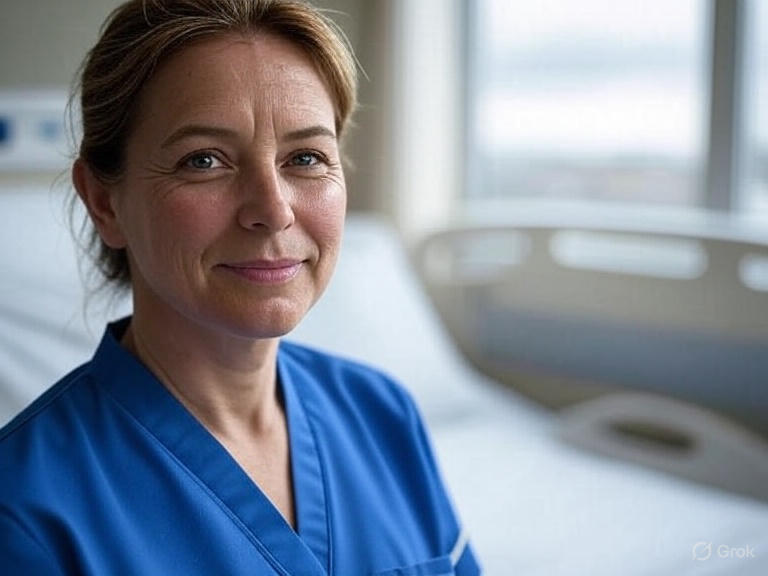
The UK’s healthcare system faces an unprecedented nursing shortage that has created exceptional opportunities for international professionals. The Royal College of Nursing reports over 47,000 nursing vacancies across England alone, with similar shortages affecting Scotland, Wales, and Northern Ireland.
This critical shortage stems from multiple factors including an aging population requiring more complex care, Brexit-related workforce changes, and increased demand for healthcare services post-pandemic. The result? Healthcare employers are more motivated than ever to recruit qualified international nurses and provide comprehensive support including visa sponsorship.
The NHS Long Term Workforce Plan specifically emphasizes international recruitment as a key strategy to address staffing challenges. This means genuine opportunities exist right now for qualified nurses from around the world to secure positions with full visa sponsorship support.
What makes this particularly exciting is that employers aren’t just looking to fill positions – they’re investing in long-term career development for international nurses who demonstrate commitment and excellence in patient care.
Understanding UK Visa Options for International Nurses
The UK offers several visa pathways specifically designed to attract healthcare professionals from overseas. Understanding these options helps you choose the most suitable route for your circumstances and career goals.
Health and Care Worker Visa
The Health and Care Worker Visa represents the most direct pathway for qualified nurses seeking to work in the UK. This specialized visa category offers several advantages over standard work visas, including reduced application fees, faster processing times, and eligibility for indefinite leave to remain after five years.
To qualify, you must have a job offer from an approved UK healthcare employer who holds a sponsor license. The position must be on the shortage occupation list, which includes registered nurses and many other healthcare roles. Your employer handles much of the application process and covers associated costs.
This visa allows you to bring dependent family members and provides a clear pathway to permanent residency. The application process typically takes 3-8 weeks, making it one of the fastest routes to begin working in the UK healthcare system.
Skilled Worker Visa
The Skilled Worker Visa serves as an alternative pathway for nurses who may not qualify for the Health and Care Worker route or who prefer different terms. This visa requires a certificate of sponsorship from an approved employer and meeting specific skill and salary thresholds.
While the application process is slightly more complex than the Health and Care Worker Visa, it offers similar benefits including the ability to bring family members and eventual eligibility for permanent residency.
Many private healthcare providers and specialized nursing agencies use this visa category to recruit international nurses for specific roles or locations.
Graduate Route Opportunities
International students who complete nursing degrees at UK universities can apply for the Graduate Route, allowing them to remain in the UK for up to two years to seek employment. This pathway provides valuable time to secure a position with visa sponsorship without the pressure of immediate job placement.
Many UK universities have strong relationships with NHS trusts and private healthcare providers, facilitating smooth transitions from education to employment for international nursing graduates. For more information about studying in the UK, check out the UK student visa requirements.
Essential Requirements for International Nurses
Successfully securing a nursing position with visa sponsorship requires meeting specific professional and regulatory requirements designed to ensure patient safety and maintain healthcare standards.
Professional Registration with the NMC
All nurses practicing in the UK must register with the Nursing and Midwifery Council (NMC), the professional regulatory body for nursing and midwifery. The registration process involves several steps designed to ensure your qualifications meet UK standards.
The NMC requires completion of a Computer Based Test (CBT) covering nursing knowledge and a practical Objective Structured Clinical Examination (OSCE) demonstrating clinical skills. These assessments ensure international nurses possess the knowledge and competencies required for safe practice in the UK healthcare environment.
Recent changes to the NMC registration process have streamlined requirements for nurses from certain countries, particularly those trained in English-speaking healthcare systems or countries with reciprocal agreements with the UK.
Preparation for NMC registration typically takes 3-6 months, depending on your background and the time you can dedicate to study and exam preparation.
English Language Proficiency
Effective communication is crucial in healthcare settings, making English language proficiency a fundamental requirement for international nurses. The NMC accepts several English language tests including IELTS Academic, TOEFL iBT, and Cambridge English Advanced.
The required scores are IELTS 7.0 overall with no individual component below 7.0, or equivalent scores in other accepted tests. These requirements ensure you can communicate effectively with patients, families, and healthcare colleagues in demanding clinical situations.
If you’re from a majority English-speaking country or completed your nursing education in English, you may be exempt from English language testing requirements.
Many nurses find that achieving the required English scores takes focused preparation, but the investment pays dividends in career opportunities and patient safety.
Educational Qualifications and Work Experience
Your nursing qualifications must be recognized as equivalent to UK standards through the NMC assessment process. This involves submitting official transcripts, course syllabuses, and detailed information about your nursing education.
Most positions require a minimum of 12-24 months recent nursing experience, though some graduate programs and training positions may accept newly qualified nurses. Specialized experience in areas like critical care, emergency nursing, or mental health can significantly enhance your employment prospects.
Documentation requirements are extensive but manageable with proper organization and planning. Starting the credential evaluation process early prevents delays in your overall application timeline.
Top UK Employers Offering Free Visa Sponsorship
The UK healthcare sector includes numerous employers actively recruiting international nurses with full visa sponsorship support. Understanding which organizations offer the best opportunities helps focus your job search efforts effectively.
NHS Trusts Across the UK
NHS Trusts represent the largest employers of nurses in the UK, with over 200 individual trusts providing services across England, Scotland, Wales, and Northern Ireland. Many trusts have established international recruitment programs specifically designed to attract overseas nurses.
Larger NHS Trusts like Guy’s and St Thomas’ NHS Foundation Trust, Imperial College Healthcare NHS Trust, and Manchester University NHS Foundation Trust regularly recruit internationally and have dedicated teams supporting visa applications and relocation.
Regional NHS boards in Scotland, Wales, and Northern Ireland also actively recruit international nurses, often offering unique benefits like accelerated promotion pathways and specialized training opportunities.
NHS employment offers numerous advantages including excellent pension schemes, comprehensive training programs, and clear career progression pathways from staff nurse to senior management positions.
Private Healthcare Groups
Major private healthcare providers increasingly recognize the value of international nurses and offer competitive packages including visa sponsorship. Organizations like Nuffield Health, Circle Health Group, and The Princess Alexandra Hospital provide alternatives to NHS employment.
Private sector positions often offer higher starting salaries and more flexible working arrangements, though benefits packages may differ from NHS positions. Many private employers focus on specific specialties like cosmetic surgery, orthopedics, or cardiac care.
Working in private healthcare can provide valuable experience with different patient populations and healthcare delivery models, enhancing your overall professional development.
Nursing Agencies and Staffing Companies
Specialized nursing agencies serve as intermediaries between international nurses and healthcare employers, often handling visa sponsorship processes on behalf of their recruits. Agencies like ID Medical, Pulse, and Triple West provide comprehensive support from initial application through job placement.
Agency work offers flexibility and variety, allowing you to gain experience across different healthcare settings while building professional networks. Many nurses use agency positions as stepping stones to permanent NHS or private sector roles.
Reputable agencies provide ongoing support including accommodation assistance, professional development opportunities, and career counseling to help international nurses succeed in the UK healthcare environment.
Care Home and Community Healthcare Providers
The UK’s aging population has created significant opportunities in residential care and community healthcare settings. Organizations like HC-One, Barchester Healthcare, and Four Seasons Health Care actively recruit international nurses.
These positions often provide excellent training in geriatric care and chronic disease management, skills increasingly valuable in healthcare systems worldwide. Community nursing roles offer autonomy and direct patient relationships often missing in hospital settings.
Care home positions frequently offer accommodation packages and comprehensive orientation programs specifically designed for international staff transitioning to UK healthcare practices.
Step-by-Step Application Process
Successfully navigating the application process requires careful planning and attention to detail. Breaking the process into manageable steps helps ensure nothing important is overlooked.
Phase 1: Initial Preparation and Research
Begin by researching potential employers and understanding their specific requirements and application processes. Create a professional UK-style CV highlighting your nursing experience, qualifications, and any specializations.
Gather all necessary documentation including nursing certificates, transcripts, professional references, and identification documents. Ensure all documents are officially translated if not in English and properly certified as required.
Start the NMC registration process early, as this can take several months to complete. Begin English language test preparation if required, allowing sufficient time to achieve the necessary scores.
Research visa requirements and gather supporting documentation. Understanding the process thoroughly before beginning applications prevents delays and complications later.
Phase 2: Job Search and Applications
Focus your job search on employers with established international recruitment programs and clear visa sponsorship policies. Tailor each application to the specific role and organization, demonstrating your understanding of UK healthcare practices.
Utilize multiple job search channels including NHS jobs websites, private healthcare career pages, recruitment agencies, and professional networking platforms. Many positions aren’t publicly advertised, making networking and agency relationships valuable.
Prepare for different interview formats including video interviews, competency-based questioning, and practical assessments. Practice discussing your international experience as an asset and your motivation for working in the UK.
Follow up professionally on applications while being patient with response times, as healthcare recruitment processes can be lengthy due to regulatory requirements.
Phase 3: Visa Application and Approval
Once you receive a job offer, your employer will provide a Certificate of Sponsorship and guide you through the visa application process. Gather all required supporting documents and complete application forms carefully.
Schedule visa appointments at UK visa application centers in your country, allowing adequate time for processing before your intended start date. Processing times vary by location and visa type but typically range from 3-8 weeks.
Maintain regular communication with your employer throughout the visa process, providing updates on timing and any potential issues. Many employers offer support and guidance to ensure successful visa approval.
Plan your relocation logistics including temporary accommodation, banking arrangements, and professional registration completion upon arrival in the UK.
Salary Expectations and Benefits Package
Understanding compensation and benefits helps you make informed decisions and negotiate effectively with potential employers.
NHS Pay Scales and Progression
The NHS uses standardized pay bands that provide transparency and clear progression pathways. Newly qualified nurses typically start on Band 5 (approximately £27,055-£32,934 annually), with experience and additional qualifications leading to higher bands.
Band 6 positions (£33,706-£40,588) often involve senior staff nurse or specialist roles, while Band 7 (£41,659-£47,672) represents ward manager or advanced practice positions. Higher bands are available for senior management and consultant-level roles.
Annual increments within each band recognize experience and performance, providing predictable salary growth throughout your career. Additional payments may be available for unsocial hours, overtime, and specialized responsibilities.
The NHS pension scheme represents one of the most generous benefits, providing defined benefit retirement income that significantly enhances your overall compensation package.
Private Sector Compensation
Private healthcare employers often offer higher starting salaries to attract experienced nurses, with packages potentially 10-20% above equivalent NHS positions. However, benefits packages may be less comprehensive than NHS employment.
Private sector positions frequently include performance bonuses, private healthcare coverage, and flexible working arrangements not always available in NHS roles. Some employers offer accommodation packages or housing assistance for international recruits.
Career progression in private healthcare may be faster but less structured than NHS pathways, requiring more proactive career management and skill development.
Additional Benefits and Perquisites
Many UK healthcare employers offer comprehensive benefits beyond basic salary including paid study leave, professional development funding, and conference attendance opportunities.
International nurse packages often include relocation assistance, temporary accommodation, and support with initial settlement costs. Some employers provide flights to the UK and assistance with NMC registration fees.
Additional benefits may include childcare vouchers, cycle-to-work schemes, staff discounts, and access to employee wellbeing programs designed to support work-life balance.
Living and Working in the UK: What to Expect
Transitioning to life and work in the UK involves both professional and personal adjustments that international nurses should anticipate and prepare for.
Healthcare System and Work Environment
The UK healthcare system emphasizes multidisciplinary teamwork, evidence-based practice, and patient-centered care. International nurses often appreciate the collaborative approach and professional autonomy provided in UK healthcare settings.
Working relationships tend to be collegial and supportive, with strong emphasis on continuing professional development and clinical governance. Many international nurses find the UK work environment less hierarchical than their home countries.
Patient populations in UK healthcare settings are increasingly diverse, providing opportunities to work with people from many cultural backgrounds. This diversity enriches the work experience while requiring cultural competency and sensitivity.
Technology integration varies between organizations but generally emphasizes electronic health records, clinical decision support systems, and evidence-based care protocols.
Cultural Adaptation and Community Integration
UK communities are generally welcoming to international healthcare workers, recognizing their valuable contribution to local healthcare services. Many areas have established international nurse communities providing peer support and cultural connections.
British communication styles tend to be indirect and polite, which may require adjustment depending on your cultural background. Understanding these nuances helps build effective professional relationships.
Housing markets vary significantly across the UK, with London and Southeast England being most expensive. Many international nurses start with shared accommodation or employer-provided housing before finding independent accommodations.
Public transportation systems are extensive in most UK cities, reducing the need for personal vehicles. This can represent significant cost savings compared to car-dependent locations.
Professional Development Opportunities
The UK offers exceptional opportunities for nursing career development through specialized training programs, advanced practice roles, and postgraduate education options. Many employers support staff pursuing additional qualifications with time off and financial assistance.
Professional development pathways include specialist nursing roles, management positions, research opportunities, and academic careers. The UK’s strong university system provides numerous options for furthering your education while working.
International nurses often find opportunities to share their diverse experience through mentoring programs, cultural competency training, and international development projects.
For those interested in further education, explore international student scholarships that might support additional qualifications.
Success Stories: International Nurses Thriving in the UK
Real experiences from international nurses working in the UK provide valuable insights into what you can expect from your own journey.
Maria from the Philippines joined a London NHS Trust three years ago and has progressed from Band 5 to Band 6, now leading a cardiac care unit. She credits her success to embracing UK healthcare practices while contributing her own cultural perspectives to patient care.
Ahmed from Egypt initially worked through a nursing agency before securing a permanent position in a Manchester hospital. He emphasizes the importance of networking and building professional relationships in finding the right career opportunity.
Sarah from Australia transitioned from clinical nursing to a management role within 18 months, highlighting how international experience and leadership skills are valued in the UK healthcare system.
These success stories demonstrate that with proper preparation, professional commitment, and cultural adaptability, international nurses can build rewarding and progressive careers in the UK healthcare system.
Common Challenges and How to Overcome Them
Understanding potential challenges helps international nurses prepare effectively and develop strategies for success.
Professional Integration and Adaptation
Adapting to UK healthcare practices and protocols requires time and patience. Many international nurses benefit from seeking mentorship relationships and actively participating in orientation programs.
Documentation standards and clinical procedures may differ from your home country, requiring careful attention during your initial months. Don’t hesitate to ask questions and seek clarification when uncertain about protocols.
Professional relationships in UK healthcare settings may develop differently than in your home country. Invest time in building collegial relationships through participation in team activities and professional development opportunities.
Personal Settlement and Lifestyle Adjustment
Adjusting to UK weather, particularly for nurses from warmer climates, requires practical preparation including appropriate clothing and understanding seasonal variations in mood and energy levels.
Financial adjustment involves understanding UK banking systems, taxation, and cost of living variations across different regions. Many international nurses benefit from financial counseling during their initial settlement period.
Social integration takes time and effort but greatly enhances your UK experience. Consider joining professional organizations, community groups, or cultural associations to build social networks beyond your workplace.
Regulatory and Administrative Navigation
UK administrative processes can seem complex initially, from opening bank accounts to understanding tax obligations. Many employers provide support services to help international staff navigate these requirements.
Maintaining professional registration requires understanding NMC requirements for continuing professional development and revalidation. Stay informed about regulatory changes and compliance requirements.
Immigration status changes and family reunification processes require careful attention to timing and documentation requirements. Consider consulting with immigration specialists when needed.
Future Career Prospects and Growth Opportunities

The UK healthcare system offers numerous pathways for career advancement and professional growth for committed international nurses.
Advanced practice roles including nurse practitioners, clinical nurse specialists, and consultant nurses provide opportunities to expand your scope of practice and increase your impact on patient care.
Management and leadership positions are available for nurses who develop administrative skills and demonstrate leadership potential. Many international nurses successfully transition into senior management roles within NHS trusts and private healthcare organizations.
Educational opportunities include pursuing advanced degrees, research positions, and academic careers. The UK’s strong university system provides numerous options for professional development while maintaining clinical practice.
International development opportunities may arise through NHS partnerships with healthcare systems worldwide, allowing experienced international nurses to contribute to global health initiatives.
Frequently Asked Questions (FAQs)
Q: How long does the entire process take from application to starting work in the UK?
A: The complete process typically takes 6-12 months, including NMC registration (3-6 months), job search and offer (1-3 months), and visa processing (3-8 weeks). Starting preparation early and staying organized helps minimize delays.
Q: Do I need to pay for visa sponsorship costs myself?
A: Most reputable healthcare employers cover visa sponsorship costs as part of their recruitment packages. Be wary of employers who require you to pay these fees, as this may indicate less legitimate operations.
Q: Can I bring my family members with me to the UK?
A: Yes, most UK work visas allow you to bring dependent family members including spouses/partners and children under 18. Family members can work and study in the UK with appropriate permissions.
Q: What happens if I don’t pass the NMC registration requirements?
A: If you don’t pass NMC requirements initially, you can retake exams after additional preparation. Many candidates benefit from preparation courses and practice exams to improve their chances of success.
Q: Are there opportunities for career advancement as an international nurse?
A: Absolutely. The UK healthcare system values diversity and experience. Many international nurses advance to senior clinical roles, management positions, and specialized practice areas based on their performance and additional qualifications.
Q: How does NHS work compare to private healthcare employment?
A: NHS positions typically offer more comprehensive benefits and structured career progression, while private healthcare may provide higher starting salaries and more flexible working arrangements. Both sectors value international nurses and provide visa sponsorship.
Q: What support is available for international nurses adjusting to UK healthcare practices?
A: Most employers provide comprehensive orientation programs, mentorship opportunities, and ongoing professional development support. Professional organizations and international nurse networks also offer valuable resources and peer support.
Q: Can I change employers after arriving in the UK with a sponsored visa?
A: Yes, but the process varies depending on your visa type and timing. Health and Care Worker Visas generally allow more flexibility in changing employers than some other visa categories, but you should understand the requirements before making changes.
For more detailed information about working in the UK, visit the UK government website for official guidance on visas, employment rights, and healthcare careers.
Conclusion
The opportunity to build a nursing career in the UK with free visa sponsorship represents more than just a job change – it’s a chance to grow professionally while contributing to one of the world’s most respected healthcare systems. With critical nursing shortages across Britain, qualified international nurses are not just welcomed but actively sought by employers eager to provide comprehensive support including visa sponsorship.
Success requires thorough preparation, from NMC registration and English language proficiency to understanding UK healthcare culture and employment practices. However, thousands of international nurses have successfully made this transition, finding rewarding careers, professional growth opportunities, and fulfilling lives in communities across England, Scotland, Wales, and Northern Ireland.
The pathway may seem complex initially, but with proper planning, realistic expectations, and commitment to excellence, your nursing skills and international experience become valuable assets in the UK healthcare environment. Whether you’re drawn by professional advancement opportunities, competitive compensation, or the chance to work with diverse populations in a multicultural society, the UK offers a welcoming destination for ambitious international nurses.
Take the first step by researching employers, beginning your NMC registration process, and connecting with other international nurses who have successfully made this transition. Your journey to a UK nursing career starts with a single application, but the destination offers limitless possibilities for professional and personal growth in one of Europe’s most dynamic healthcare systems.
The UK needs skilled, compassionate nurses like you. The question isn’t whether opportunities exist – it’s whether you’re ready to seize them and begin the next exciting chapter of your nursing career in Britain.