Thinking about working in Germany? It’s a great place to find factory jobs, and some even offer visa help. Many people are looking for these positions because they pay well, often around $75,000 a year. Plus, Germany has a strong economy and needs skilled workers. This guide will walk you through what you need to know to land one of these factory jobs, from understanding the visa process to getting your resume ready.
Exploring High Paying Factory Jobs in Germany
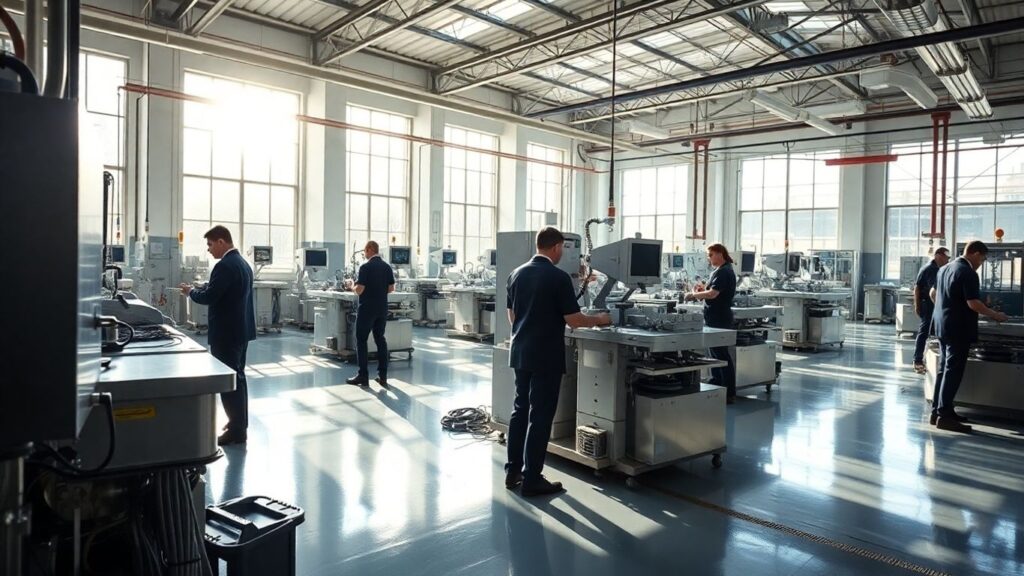
Understanding the Appeal of German Factory Work
Germany has a long-standing reputation for its manufacturing prowess, and this translates into a strong demand for skilled factory workers. Many people are drawn to these roles because they offer stable employment, good pay, and a chance to be part of a highly efficient production environment. The chance to earn a solid salary, often around $75,000 annually, plus benefits, makes these positions particularly attractive to those looking to improve their financial situation. It’s not just about the money, though. Working in a German factory often means being part of a well-organized system where safety and quality are top priorities. Plus, the opportunity to gain experience in industries known for their innovation can be a real career booster.
Key Industries Seeking Factory Labor
Several sectors in Germany are consistently looking for factory staff. These include:
Automotive: Germany is famous for its car manufacturers, and their factories always need skilled hands for assembly, production, and quality control.
Machinery and Engineering: This is another powerhouse sector. Think specialized equipment, industrial machines, and precision tools – all requiring dedicated factory workers.
Chemicals and Pharmaceuticals: These industries need workers for production processes, packaging, and ensuring product quality and safety.
Electronics: From consumer gadgets to industrial components, the electronics manufacturing sector is always hiring.
Average Salary Expectations for Factory Roles
When we talk about $75,000 factory jobs, it’s important to understand that this figure can vary. The exact salary depends on several factors, including your specific skills, the type of factory, your experience level, and the region within Germany. However, as a general guideline, here’s a look at what you might expect:
| Role Type | Estimated Annual Salary (USD) | Notes |
|---|---|---|
| Skilled Production Worker | $55,000 – $70,000 | Requires specific technical skills |
| Machine Operator | $60,000 – $75,000 | Experience with industrial machinery |
| Quality Control Inspector | $65,000 – $80,000 | Attention to detail, testing experience |
| Assembly Line Supervisor | $70,000 – $85,000 | Leadership experience, team management |
Keep in mind that these are estimates, and actual offers can be higher or lower. The potential for earning $75,000 or more is definitely there, especially for those with in-demand skills and a good work ethic.
Visa Sponsorship for Factory Positions
So, you’ve got your eye on a factory job in Germany, and that’s great! But how do you actually get there, especially if you’re not an EU citizen? This is where visa sponsorship comes into play. Basically, it means a German employer is willing to help you through the whole immigration process, including getting the right paperwork sorted so you can legally work in their factory.
Navigating the German Visa Application Process
Getting a visa can seem like a big hurdle, but it’s usually manageable if you break it down. The German government has specific pathways for skilled workers, and factory jobs often fall into this category, especially if you have relevant experience or qualifications. The process generally involves getting a job offer first, then applying for a work visa at the German embassy or consulate in your home country. Your employer plays a big part in this, as they’ll need to provide documentation proving they’ve offered you a job and that they’re sponsoring your move.
Here’s a general idea of what to expect:
Job Offer: You need a concrete job offer from a German company. This offer should detail your role, salary, and confirm their willingness to sponsor your visa.
Visa Application: Once you have the offer, you’ll fill out the visa application form. You’ll need to gather several documents, which can include your passport, photos, the job offer letter, proof of qualifications, and sometimes health insurance.
Embassy Appointment: You’ll likely need to schedule an appointment at the German embassy or consulate to submit your application and possibly have an interview.
Processing Time: Be prepared for processing times, which can vary. It’s best to start this process well in advance of your intended travel date.
Types of Visas for Skilled Factory Workers
Germany offers a few different visa options depending on your situation. For factory work, the most common ones are:
EU Blue Card: This is for highly qualified individuals with a university degree and a job offer that meets a certain salary threshold. While many factory roles might not require a degree, some specialized positions could qualify.
Skilled Worker Visa (Fachkräftevisum): This is the most likely route for many factory workers. It’s designed for individuals with recognized vocational training or professional experience in a specific field. If your factory job requires specific skills, this visa is probably your best bet.
Visa for Job Seekers: If you don’t have a job offer yet but have the necessary qualifications, you might be able to get a visa to come to Germany for a limited time to look for work. Once you find a job, you can usually convert this visa into a work visa.
Employer Responsibilities in Visa Sponsorship
When an employer agrees to sponsor your visa, they take on certain responsibilities. They aren’t just offering you a job; they’re also acting as your advocate in the German immigration system. This usually means:
Providing a Formal Job Offer: This is the foundation of your visa application.
Submitting Necessary Documentation: They might need to provide proof that they couldn’t find a suitable candidate within Germany or the EU for the position.
Supporting Your Application: In some cases, they might assist with paperwork or provide letters of support to the authorities.
Ensuring Compliance: They must adhere to German labor laws and ensure your working conditions meet the standards outlined in your visa and contract.
It’s important to have a clear understanding of what your sponsoring employer will and won’t do to help you. Don’t hesitate to ask them directly about their support process during the hiring phase. Having a German employer back your visa application significantly smooths the path for foreign workers.
Eligibility and Requirements for Factory Jobs
So, you’re thinking about landing one of those $75,000 factory jobs in Germany with visa sponsorship? That’s awesome! But before you start packing, let’s talk about what you actually need to get your foot in the door. It’s not just about wanting the job; there are some specific things Germany looks for.
Essential Qualifications for Factory Positions
Most factory jobs, especially those offering visa sponsorship, will want you to have some kind of relevant background. This could mean a vocational training certificate or a degree related to the specific industry you’re applying to. For example, if you’re aiming for an automotive factory, having experience or training in mechanics or engineering would be a big plus. Basic technical skills are usually a must, and employers often look for candidates who can demonstrate they know how to operate machinery safely and efficiently. Some roles might even require specific certifications, so always check the job description carefully. It’s not uncommon for employers to look for at least a few years of prior work experience in a similar role.
Language Proficiency for Factory Roles
Okay, let’s talk German. While not every single factory job will demand fluent German, having at least a basic understanding can make a huge difference. Many employers will list a minimum requirement, often around A2 or B1 level on the Common European Framework of Reference for Languages (CEFR). This level allows you to understand basic instructions and communicate simple ideas. For roles that involve more complex tasks, teamwork, or dealing with supervisors, a higher level of German will definitely be beneficial. Some companies might even offer language courses to help you improve once you’re hired, but having some foundation before you apply is always a good idea. You can find many resources online to help you get started with learning German.
Age and Health Considerations for Applicants
Germany, like many countries, has certain regulations regarding age and health for work visas. Generally, you need to be under a certain age, often around 50 or 55, to be eligible for most work visas, though this can vary depending on the specific visa type and occupation. Employers also need to confirm that you are fit for the job. This usually involves a medical examination to ensure you don’t have any health conditions that would prevent you from performing the duties safely or pose a risk to others in the workplace. It’s pretty standard stuff, really, just making sure everyone stays safe and healthy on the job.
When you’re looking at job openings, sites like Indeed.com lists 13 job openings can give you a good idea of what’s out there and what qualifications are commonly requested. Keep in mind that while some roles might be more flexible, having a solid set of qualifications and some basic German skills will significantly boost your chances of securing one of these well-paying factory positions.
Securing Your Factory Job Offer

Crafting a Standout Resume for German Employers
Getting your foot in the door for a factory job in Germany starts with a resume that really pops. German employers tend to like things clear, concise, and factual. Think about listing your work history chronologically, with your most recent job first. It’s also a good idea to include specific details about your responsibilities and any achievements you had in previous roles. Did you improve a process? Reduce waste? Mention it!
Keep it to one or two pages maximum. Germans value brevity.
Use a professional, clean format. Avoid fancy fonts or graphics.
Tailor your resume to each job. Highlight the skills and experience that match the job description.
Remember, your resume is often the very first impression you make. Make it count by being thorough and honest about your skills and experience.
Effective Job Search Strategies for Factory Work
Finding the right factory job requires a bit of a game plan. Don’t just rely on one website. Broaden your search to include specialized job boards that focus on manufacturing or skilled trades in Germany. Also, consider reaching out directly to companies you’re interested in, even if they don’t have a current opening listed. Sometimes, they’re always on the lookout for good talent.
Here are a few places to start:
Step 1: Identify Target Companies: Research factories in Germany that operate in sectors matching your skills (e.g., automotive, machinery, chemicals).
Step 2: Utilize Online Job Portals: Websites like Make-it-in-Germany.com, Indeed.de, and StepStone.de are great resources.
Step 3: Network (Even Remotely): Connect with people in the industry on platforms like LinkedIn. You never know who might have a lead.
Preparing for Interviews for Factory Positions
Once you land an interview, preparation is key. German interviewers often focus on your technical skills and how you handle practical situations. Be ready to talk about specific projects you’ve worked on, problems you’ve solved, and how you work within a team. It’s also common for them to ask about your motivation for wanting to work in Germany and for that specific company.
Consider these points:
Research the company thoroughly: Understand their products, values, and recent news.
Practice answering common interview questions: Think about behavioral questions like “Tell me about a time you faced a challenge at work.”
Prepare questions to ask the interviewer: This shows your engagement and interest.
Be ready to discuss your salary expectations, but also be open to negotiation based on the company’s offer and your qualifications. It’s a good idea to have a range in mind, based on your research into average factory wages in Germany.
Life and Work in Germany as a Factory Employee

So, you’ve landed that factory job in Germany with visa sponsorship – congrats! Now comes the part where you actually start living and working there. It’s a big move, and it’s totally normal to wonder what daily life will be like. Germany is known for its efficiency and strong work ethic, which definitely extends to its factories.
Integration into the German Workforce
Getting integrated into a new workplace can feel a bit daunting at first. German work culture often emphasizes punctuality, clear communication, and a structured approach to tasks. You’ll likely find that teamwork is valued, but individual responsibility is also taken seriously. Don’t be surprised if meetings are very focused and everyone gets straight to the point. Learning a few basic German phrases will go a long way in making your colleagues feel more comfortable and showing your willingness to adapt. Many factories have international staff, so you might find yourself working alongside people from all over the world, which can be a really interesting experience.
- First Days: Expect an onboarding process that covers safety procedures, company policies, and your specific role. It might feel a bit overwhelming with all the new information.
- Communication: While many supervisors might speak some English, don’t assume everyone will. Having a translation app handy or learning common work-related phrases can be super helpful.
- Team Dynamics: Germans tend to be direct in their communication. This isn’t meant to be rude; it’s just how they operate. Try to see it as efficient rather than blunt.
Cost of Living and Daily Life
Germany generally offers a good quality of life, but the cost of living can vary quite a bit depending on where you settle. Big cities like Munich or Frankfurt will be more expensive than smaller towns. Your factory job’s salary should cover your basic needs, but it’s smart to budget.
Here’s a rough idea of what some common expenses might look like:
| Expense Category | Estimated Monthly Cost (EUR) |
|---|---|
| Rent (shared apartment) | 300 – 500 |
| Utilities (electricity, water, heating) | 150 – 250 |
| Groceries | 200 – 300 |
| Public Transport | 50 – 100 |
| Mobile Phone/Internet | 30 – 50 |
Keep in mind these are just estimates. Your actual costs will depend on your lifestyle and location. Many factory workers find that living in company-provided housing or shared apartments can significantly reduce costs.
Germany has a robust public transportation system. Learning to use trains and buses efficiently can save you money and help you explore the country during your time off.
Opportunities for Career Advancement
While you might start in a specific factory role, Germany often provides pathways for workers to grow. Many companies invest in their employees through training programs. If you show dedication and a willingness to learn, you might find opportunities to move into more specialized roles, team lead positions, or even supervisory roles. Continuous learning is a big part of the German work culture. Some companies might even support further education or certifications that can boost your career within the factory or the broader industry. It’s worth asking your supervisor or HR department about potential training opportunities available to you.
Benefits Beyond the Salary
Healthcare and Social Security Benefits
Germany has a really good public healthcare system. When you work there, you’ll be automatically enrolled in statutory health insurance. This means you get access to doctors, hospitals, and medications, usually with just a small co-pay. It’s a big deal because it means you don’t have to worry about huge medical bills if something unexpected happens. Plus, there’s also social security, which covers things like unemployment and pensions. So, even though it might mean a small deduction from your paycheck, it’s building a safety net for your future.
Work-Life Balance in German Factories
Germany is pretty famous for its focus on work-life balance, and that often extends to factory jobs too. Most full-time factory positions come with a standard 35-40 hour work week. You’ll also get a decent amount of paid vacation time, usually around 25-30 days per year, plus public holidays. This means you’ll have plenty of time to relax, pursue hobbies, or explore Germany. It’s not uncommon for factories to have strict rules about overtime, so you’re less likely to be stuck working long hours regularly.
Pathways to Permanent Residency
Working in Germany with a sponsored visa is often the first step towards potentially staying long-term. After a certain period of employment and paying into the social security system, you might become eligible to apply for permanent residency. This opens up a lot of doors, like being able to live and work in Germany without the need for a specific visa tied to an employer. It’s a solid way to build a life there if you enjoy the experience and want to make Germany your permanent home.
Wrapping It Up
So, while the idea of landing a factory job in Germany with a $75,000 salary and visa sponsorship sounds pretty great, it’s important to remember that these opportunities can be competitive. Many of these roles are likely looking for specific skills and experience, and the visa process itself can take time. If you’re serious about this path, keep researching, polish up your resume, and be prepared for the application journey. It might just be your ticket to a new life and career in Germany.
Frequently Asked Questions
What kind of factory jobs are available in Germany?
Germany has many factory jobs in different areas like making cars, machines, and other goods. Many companies are looking for people to help with building, assembling, and packaging products. These jobs often involve working with machines and following safety rules.
Do I need to know German to work in a factory there?
Knowing some German can really help you get a job and fit in better. While some jobs might not need a lot of German, especially in bigger factories with international workers, learning the language will make your daily life and work much easier. Basic communication skills are usually important.
How does the visa sponsorship process work?
When a German company wants to hire you from another country, they can sponsor your visa. This means the company helps you get the necessary papers to work and live in Germany. They usually handle a lot of the paperwork and show the government that they need your skills and will support you.
What are the typical salary expectations for factory workers?
Factory jobs in Germany can pay quite well, especially if you have experience. While the exact amount changes depending on the job and your skills, many factory workers can earn a good living. The article mentions jobs that could potentially pay around $75,000 a year, which is a very good salary.
What benefits come with these factory jobs besides the salary?
Besides your pay, working in Germany often means you get good benefits. This usually includes health insurance, which is very important, and contributions to social security, like retirement funds. German companies also tend to value a good work-life balance, meaning you have time for yourself and your family.
Can I stay in Germany permanently after working there?
Yes, often you can. After working in Germany for a certain amount of time on your sponsored visa, you might be able to apply for a permanent residency permit. This means you could live in Germany long-term, which is a great opportunity for building a new life.
Also Read $100,000 Dollar Caregiver Jobs in Canada with Free Work Visa
Pingback: $120000 Dollar IT Jobs in the USA with Visa Sponsorship for Foreigners - Edu Jamjamz